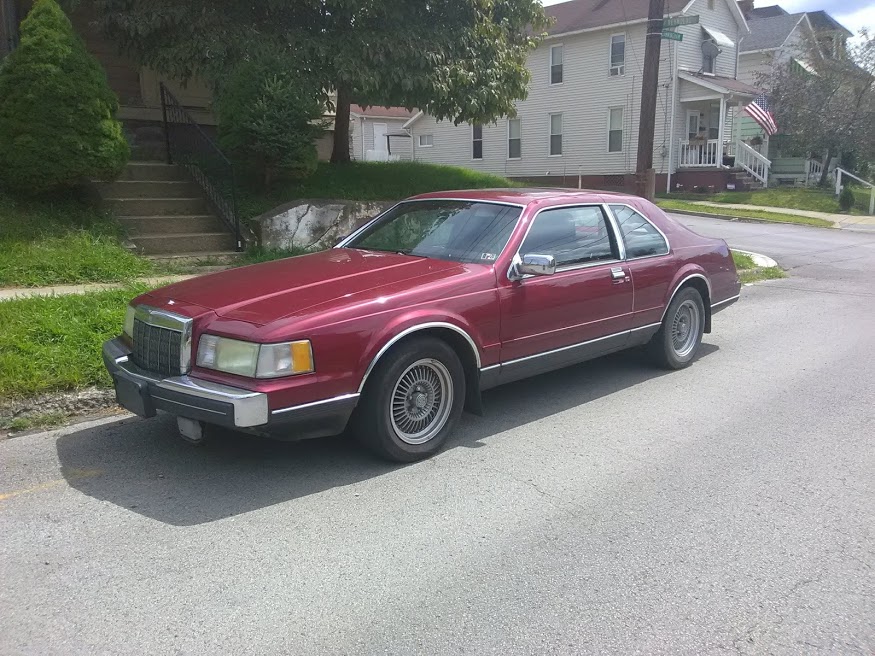
Lincoln Mark VII LSC 5.0 HO
The Lincoln Mark VII LSC represented a dramatic philosophical departure for Lincoln when it arrived in 1984. While previous Mark-series cars were land yachts that prioritized pillow-soft comfort above all else, the LSC, standing for Luxury Sport Coupe, was Lincoln's first genuine attempt at building a driver-focused performance luxury car in the European mold, specifically targeting the BMW 6 Series and Mercedes-Benz SEC.
The star of the LSC package was the legendary Ford 5.0-liter High Output V8, the same basic engine that powered the Mustang GT but retuned for the luxury application. In its final form, the 302-cubic-inch V8 produced 225 horsepower and 300 lb-ft of torque, channeled through Ford's AOD four-speed overdrive automatic transmission. The power delivery was smooth yet muscular, giving the Mark VII LSC genuine grand touring capability that was virtually unprecedented in an American luxury coupe.
The Mark VII made automotive history in several ways. It was the first American car to feature aerodynamic composite headlamps, replacing the sealed-beam units mandated by federal regulations until 1983. It was also the first American car equipped with standard four-wheel anti-lock disc brakes, supplied by Teves and offered starting in 1985, beating its domestic competitors by several years. These were not mere marketing features but genuine engineering advancements that established the Mark VII as a technological leader.
The LSC package added performance-tuned suspension with stiffer springs and dampers, faster-ratio steering, larger-diameter stabilizer bars, and grippy Goodyear Eagle GT tires on distinctive turbine-style aluminum wheels. The result was handling that genuinely surprised automotive journalists accustomed to American luxury cars that wallowed through corners. Road and Track praised the Mark VII LSC as one of the best-handling American cars of its era.
The interior combined traditional Lincoln luxury with a sporting cockpit feel. The LSC featured supportive articulated sport seats in leather, a full instrumentation cluster with tachometer, and BMW-style analog gauges. The air suspension system, standard on all Mark VIIs, provided automatic load leveling while the LSC's firmer tuning maintained composure during spirited driving.
Built on the rear-wheel-drive Fox platform shared with the Thunderbird and Mustang, the Mark VII benefited from the platform's light weight and balanced proportions. The independent rear suspension, using trailing arms and coil springs, was a significant upgrade over the live axle found in lesser Fox-platform cars, contributing to the Mark VII's refined ride quality and superior handling.
Despite critical acclaim, the Mark VII LSC never achieved the sales volumes Lincoln hoped for, as the brand's traditional customers were not entirely ready for a sporting luxury coupe. Today, the Mark VII LSC is increasingly appreciated as a pioneering American grand tourer that was simply ahead of its time.
The 5.0 HO V8 is reliable and easy to service with massive aftermarket support. Air suspension is the Achilles heel; many have been converted to coil springs. Check for rear crossmember rust common on northern cars. AOD transmission is adequate but can fail with age. Electrical issues with power seats, windows, and keyless entry are common. Good examples are becoming scarce as many were neglected or modified.
The Mark VII was built on the Fox platform shared with the Thunderbird and Mustang, but with an independent rear suspension. The LSC was the performance-oriented variant that used the Mustang GT's 5.0 HO engine. First American car with composite headlamps and standard ABS brakes.