
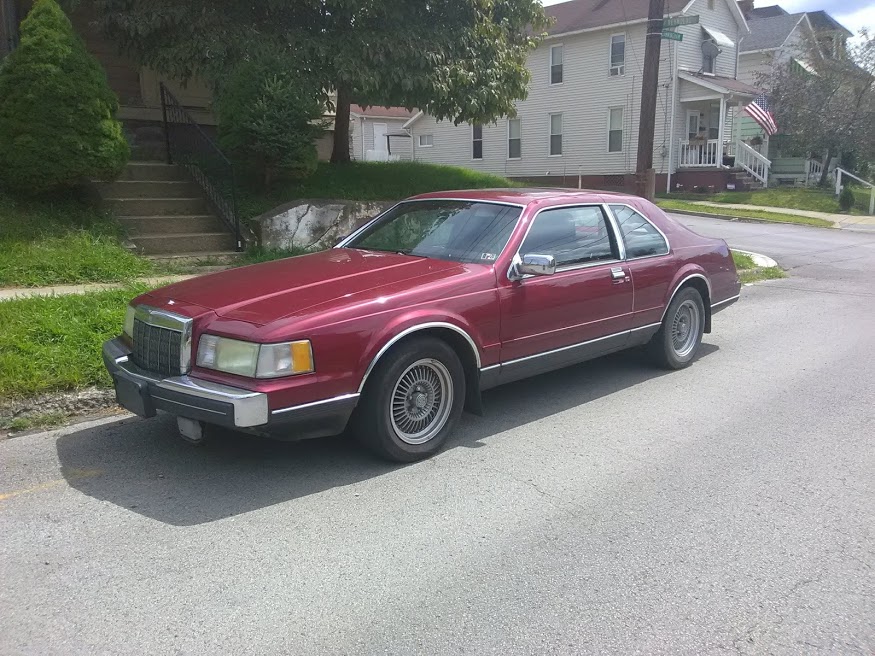
USA vs USA — 1981 vs 1984
| Town Car Cartier Edition | Mark VII LSC 5.0 HO | |
|---|---|---|
| Horsepower | 239 hp | 225 hp |
| Torque | 285 lb-ft | 300 lb-ft |
| Engine Size | 4,601 cc | 4,942 cc |
| 0-60 mph | 8.3 sec | 7.2 sec |
| Top Speed | 115 mph | 140 mph |
| ¼ Mile | 16.5 sec | 15.3 sec |
| Weight | 4,168 lbs | 3,750 lbs |
| Wheelbase | 2,990 mm | 2,779 mm |
| Length | 5,556 mm | 5,151 mm |
| Original MSRP | $47,915 | $26,850 |
| Value (Excellent) | $18,000 | $22,000 |
| Collectibility | 4/10 | 6/10 |
| Rarity | 2/10 | 5/10 |
The 1984 Lincoln Mark VII LSC 5.0 HO emerges ahead in most objective measures, offering quicker acceleration, higher top speed, lighter weight. The 1981 Lincoln Town Car Cartier Edition counters with better value, but the numbers favor its rival. Still, both are remarkable machines, and the final choice often comes down to which driving experience speaks to you.
Within the Lincoln stable, the 1981 Lincoln Town Car Cartier Edition and 1984 Lincoln Mark VII LSC 5.0 HO represent different approaches to performance and purpose. Both carry the Lincoln badge, yet each carves out its own distinct identity. On paper, the two are remarkably close in power output, with the 1981 Lincoln Town Car Cartier Edition producing 239 hp and the 1984 Lincoln Mark VII LSC 5.0 HO delivering 225 hp. In the sprint to 60 mph, the 1984 Lincoln Mark VII LSC 5.0 HO edges ahead at 7.2 seconds versus 8.3 seconds. The Lincoln Mark VII carries a weight advantage, tipping the scales 418 lbs lighter. From a collectibility standpoint, the 1984 Lincoln Mark VII LSC 5.0 HO rates higher among enthusiasts and auction houses.