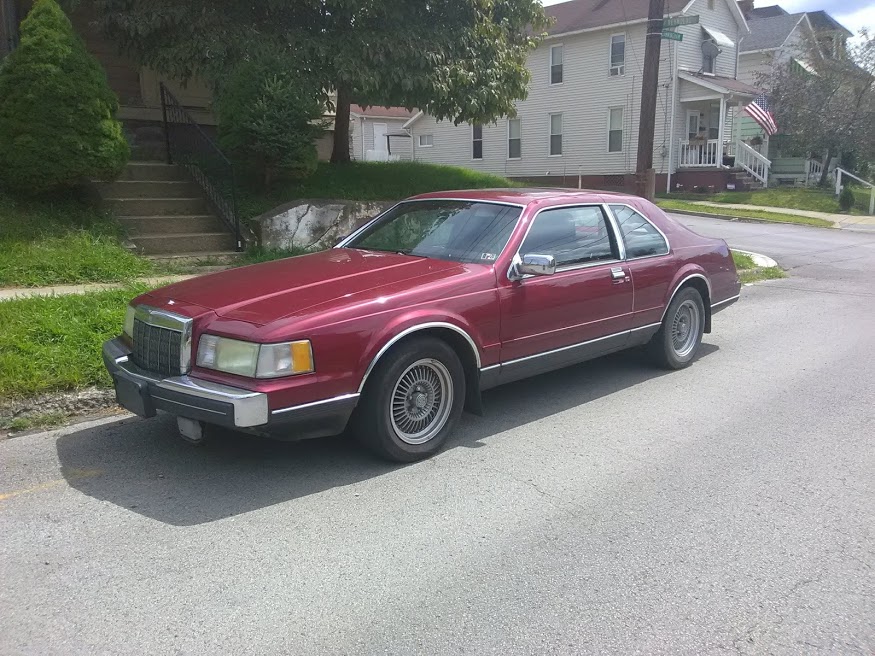

USA vs USA — 1984 vs 2000
| Mark VII LSC 5.0 HO | LS V8 Sport | |
|---|---|---|
| Horsepower | 225 hp | 280 hp |
| Torque | 300 lb-ft | 286 lb-ft |
| Engine Size | 4,942 cc | 3,924 cc |
| 0-60 mph | 7.2 sec | 6.7 sec |
| Top Speed | 140 mph | 140 mph |
| ¼ Mile | 15.3 sec | 15.0 sec |
| Weight | 3,750 lbs | 3,826 lbs |
| Wheelbase | 2,779 mm | 2,907 mm |
| Length | 5,151 mm | 4,924 mm |
| Original MSRP | $26,850 | $38,415 |
| Value (Excellent) | $22,000 | $12,000 |
| Collectibility | 6/10 | 4/10 |
| Rarity | 5/10 | 4/10 |
Numbers favor the 2000 Lincoln LS V8 Sport with more power, quicker acceleration, better value. The 1984 Lincoln Mark VII LSC 5.0 HO offers stronger collectibility, and has its own devoted following. For those who let their heart decide, either car delivers a rewarding ownership experience.
Lincoln has long offered a diverse lineup, and comparing the 1984 Lincoln Mark VII LSC 5.0 HO with the 2000 Lincoln LS V8 Sport highlights the breadth of the marque's engineering philosophy. The 2000 Lincoln LS V8 Sport holds a clear advantage in raw power with 280 hp compared to 225 hp, a 55-horsepower difference that shapes the driving experience. Under the hood, the contrast is notable: the Lincoln Mark VII uses a V8 OHV displacing 4,942 cc, while the Lincoln LS relies on a V8 DOHC (AJ35 3.9L) with 3,924 cc. In the sprint to 60 mph, the 2000 Lincoln LS V8 Sport edges ahead at 6.7 seconds versus 7.2 seconds. From a collectibility standpoint, the 1984 Lincoln Mark VII LSC 5.0 HO rates higher among enthusiasts and auction houses.