
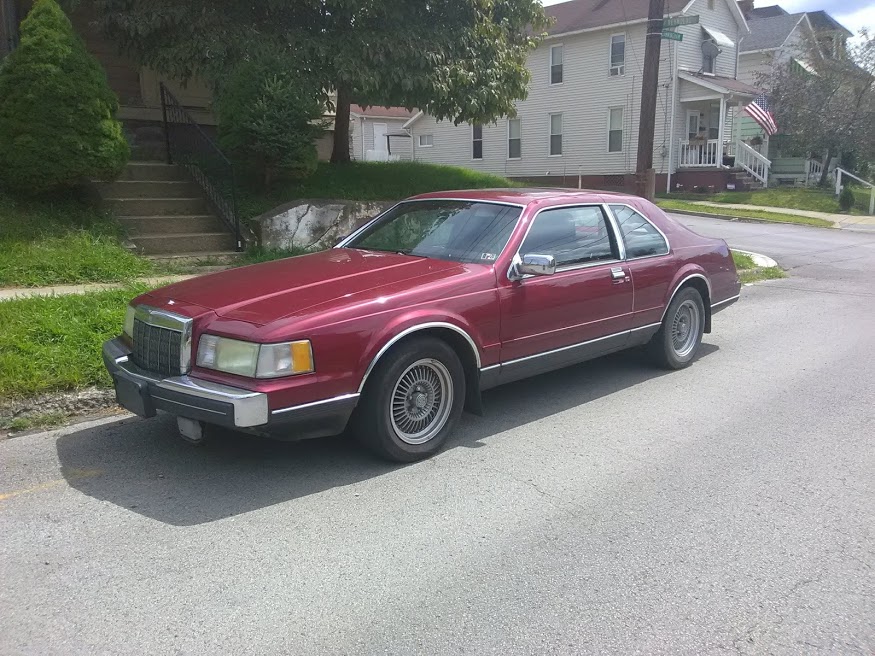
USA vs USA — 1936 vs 1984
| Zephyr V12 Continental | Mark VII LSC 5.0 HO | |
|---|---|---|
| Horsepower | 110 hp | 225 hp |
| Torque | 180 lb-ft | 300 lb-ft |
| Engine Size | 4,382 cc | 4,942 cc |
| 0-60 mph | 16.0 sec | 7.2 sec |
| Top Speed | 90 mph | 140 mph |
| ¼ Mile | — | 15.3 sec |
| Weight | 3,600 lbs | 3,750 lbs |
| Wheelbase | 3,150 mm | 2,779 mm |
| Length | 5,283 mm | 5,151 mm |
| Units Produced | 130,000 | — |
| Original MSRP | $1,320 | $26,850 |
| Value (Excellent) | $350,000 | $22,000 |
| Collectibility | 9/10 | 6/10 |
| Rarity | 7/10 | 5/10 |
The 1984 Lincoln Mark VII LSC 5.0 HO emerges ahead in most objective measures, offering more power, quicker acceleration, higher top speed. The 1936 Lincoln Zephyr V12 Continental counters with stronger collectibility, but the numbers favor its rival. Still, both are remarkable machines, and the final choice often comes down to which driving experience speaks to you.
Within the Lincoln stable, the 1936 Lincoln Zephyr V12 Continental and 1984 Lincoln Mark VII LSC 5.0 HO represent different approaches to performance and purpose. Both carry the Lincoln badge, yet each carves out its own distinct identity. The 1984 Lincoln Mark VII LSC 5.0 HO holds a clear advantage in raw power with 225 hp compared to 110 hp, a 115-horsepower difference that shapes the driving experience. Under the hood, the contrast is notable: the Lincoln Zephyr uses a V12 L-head displacing 4,382 cc, while the Lincoln Mark VII relies on a V8 OHV with 4,942 cc. In the sprint to 60 mph, the 1984 Lincoln Mark VII LSC 5.0 HO edges ahead at 7.2 seconds versus 16.0 seconds. On the collector market, the 1936 Lincoln Zephyr V12 Continental commands a significant premium over the 1984 Lincoln Mark VII LSC 5.0 HO, reflecting differences in prestige and rarity. From a collectibility standpoint, the 1936 Lincoln Zephyr V12 Continental rates higher among enthusiasts and auction houses.