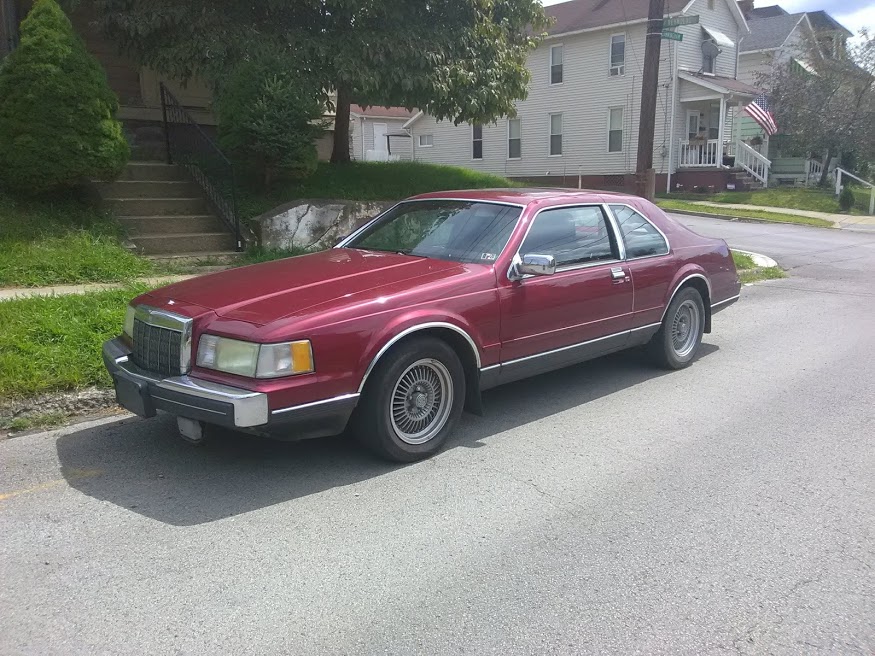

USA vs USA — 1984 vs 1939
| Mark VII LSC 5.0 HO | Zephyr Continental | |
|---|---|---|
| Horsepower | 225 hp | 120 hp |
| Torque | 300 lb-ft | 240 lb-ft |
| Engine Size | 4,942 cc | 4,785 cc |
| 0-60 mph | 7.2 sec | 16.0 sec |
| Top Speed | 140 mph | 93 mph |
| ¼ Mile | 15.3 sec | — |
| Weight | 3,750 lbs | 3,900 lbs |
| Wheelbase | 2,779 mm | 3,150 mm |
| Length | 5,151 mm | 5,232 mm |
| Units Produced | — | 404 |
| Original MSRP | $26,850 | $2,840 |
| Value (Excellent) | $22,000 | $175,000 |
| Collectibility | 6/10 | 9/10 |
| Rarity | 5/10 | 8/10 |
The 1984 Lincoln Mark VII LSC 5.0 HO holds an edge across most measurable criteria, offering more power, quicker acceleration, higher top speed. That said, the 1939 Lincoln Zephyr Continental brings stronger collectibility and remains a compelling choice for enthusiasts who value Lincoln heritage. The right pick depends on whether you prioritize specifications or the intangible qualities that make a car truly special.
The 1984 Lincoln Mark VII LSC 5.0 HO and 1939 Lincoln Zephyr Continental share a manufacturer in Lincoln, but that's where the similarities get interesting. These two models reveal the versatility and ambition of the Lincoln brand. The 1984 Lincoln Mark VII LSC 5.0 HO holds a clear advantage in raw power with 225 hp compared to 120 hp, a 105-horsepower difference that shapes the driving experience. Under the hood, the contrast is notable: the Lincoln Mark VII uses a V8 OHV displacing 4,942 cc, while the Lincoln Zephyr relies on a V12 Flathead with 4,785 cc. In the sprint to 60 mph, the 1984 Lincoln Mark VII LSC 5.0 HO edges ahead at 7.2 seconds versus 16.0 seconds. On the collector market, the 1939 Lincoln Zephyr Continental commands a significant premium over the 1984 Lincoln Mark VII LSC 5.0 HO, reflecting differences in prestige and rarity. From a collectibility standpoint, the 1939 Lincoln Zephyr Continental rates higher among enthusiasts and auction houses.