
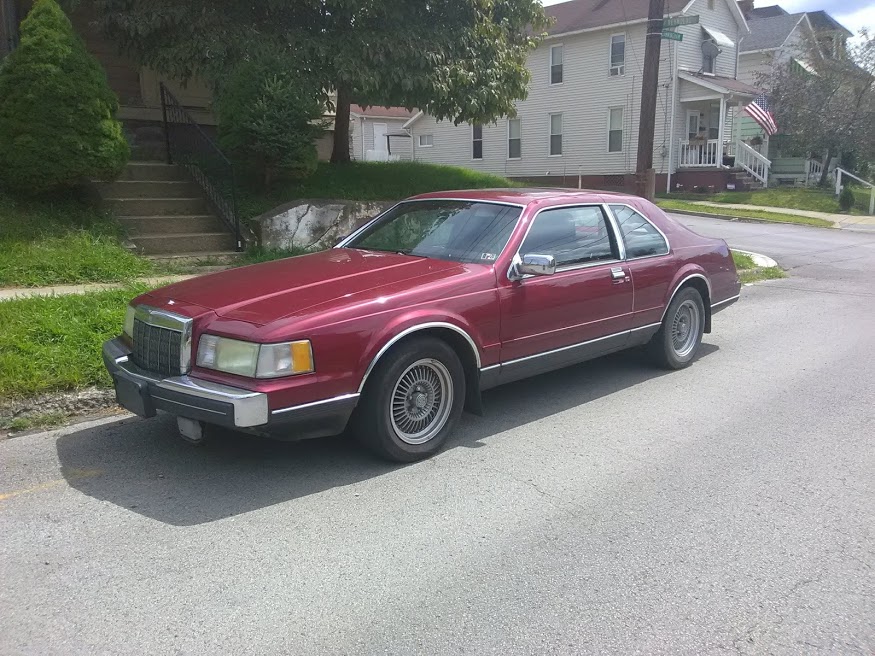
USA vs USA — 1969 vs 1984
| Continental Mark III 460 V8 | Mark VII LSC 5.0 HO | |
|---|---|---|
| Horsepower | 365 hp | 225 hp |
| Torque | 490 lb-ft | 300 lb-ft |
| Engine Size | 7,538 cc | 4,942 cc |
| 0-60 mph | 8.5 sec | 7.2 sec |
| Top Speed | 122 mph | 140 mph |
| ¼ Mile | 16.0 sec | 15.3 sec |
| Weight | 4,760 lbs | 3,750 lbs |
| Wheelbase | 2,972 mm | 2,779 mm |
| Length | 5,518 mm | 5,151 mm |
| Units Produced | 79,131 | — |
| Original MSRP | $7,091 | $26,850 |
| Value (Excellent) | $45,000 | $22,000 |
| Collectibility | 7/10 | 6/10 |
| Rarity | 4/10 | 5/10 |
The 1984 Lincoln Mark VII LSC 5.0 HO emerges ahead in most objective measures, offering quicker acceleration, higher top speed, lighter weight. The 1969 Lincoln Continental Mark III 460 V8 counters with more power, stronger collectibility, but the numbers favor its rival. Still, both are remarkable machines, and the final choice often comes down to which driving experience speaks to you.
The 1969 Lincoln Continental Mark III 460 V8 and 1984 Lincoln Mark VII LSC 5.0 HO share a manufacturer in Lincoln, but that's where the similarities get interesting. These two models reveal the versatility and ambition of the Lincoln brand. The 1969 Lincoln Continental Mark III 460 V8 holds a clear advantage in raw power with 365 hp compared to 225 hp, a 140-horsepower difference that shapes the driving experience. In the sprint to 60 mph, the 1984 Lincoln Mark VII LSC 5.0 HO edges ahead at 7.2 seconds versus 8.5 seconds. The Lincoln Mark VII carries a weight advantage, tipping the scales 1010 lbs lighter. Whether you prioritize driving dynamics, heritage, or aesthetic appeal, both contenders make a strong case for themselves.