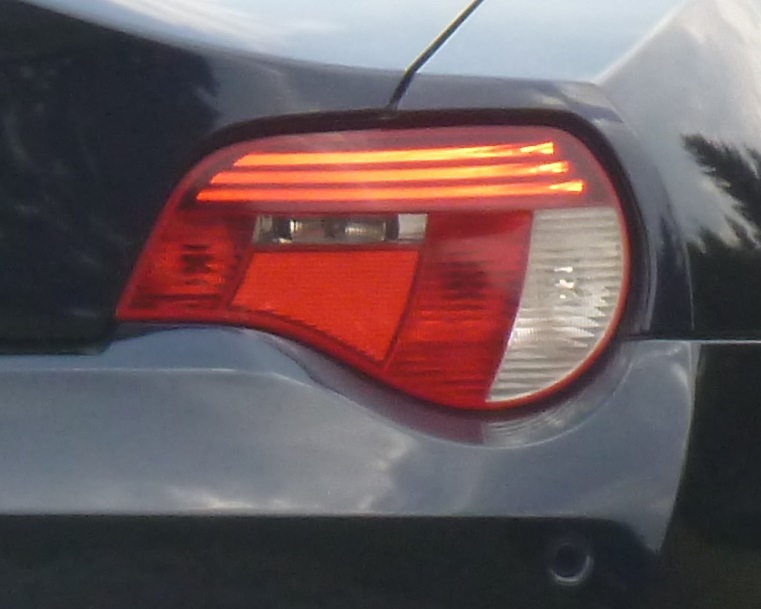
BMW Z4 sDrive35is (E89)
The BMW Z4 sDrive35is occupied a unique position in the E89 Z4 lineup as the performance flagship — more powerful than the sDrive35i but not quite a full M car. Introduced in 2010, it represented BMW's attempt to create a near-M experience within the Z4 platform, and it succeeded more effectively than many buyers initially expected.
The engine was BMW's N54 3.0-liter twin-turbocharged inline-six, the same fundamental unit that had earned widespread acclaim in the 135i and 335i. In the sDrive35is, it was tuned to produce 340 horsepower and 369 pound-feet of torque, with an overboost function that temporarily raised torque output to as much as 400 pound-feet under full acceleration. The N54 was a gem of an engine — smooth, responsive, and capable of delivering effortless thrust across an extraordinarily wide rev range. Turbo lag was minimal thanks to the twin-scroll turbocharger design, and the engine emitted a purposeful growl that intensified as revs climbed.
Unlike the sDrive35i, which offered a choice of manual or automatic transmissions, the sDrive35is was exclusively paired with BMW's 7-speed DKG dual-clutch gearbox. This was a deliberate engineering decision — the DCT could handle the higher torque loads and delivered faster, more precise shifts than the available manual. In Sport and Sport Plus modes, the transmission cracked off lightning-quick upshifts and delivered perfectly rev-matched downshifts with satisfying throttle blips.
The E89 Z4's most significant departure from its E85 predecessor was the retractable hardtop, which replaced the previous generation's fabric roof. The aluminum hardtop folded electrically into the trunk in approximately 20 seconds, transforming the Z4 from a sleek coupe into an open roadster. The hardtop significantly improved refinement when raised, reducing wind noise, improving insulation, and providing a more secure feeling than any fabric top could match. The penalty was weight — the mechanism added approximately 40 kilograms — and reduced trunk space when stowed.
The sDrive35is received specific chassis tuning that set it apart from lesser Z4 variants. The suspension was lowered by 10 millimeters, springs were stiffened, and the adaptive dampers — standard equipment on the sDrive35is — were recalibrated for a more sporting character. An M Sport limited-slip differential was also standard, providing significantly improved traction and cornering stability compared to the open differential in base models. The result was a car that felt taut and composed through corners, with the rear end remaining planted under power where lesser Z4s could become nervous.
The interior of the sDrive35is reflected its near-M positioning. Black Nappa leather sport seats with prominent bolstering and heating were standard. An M Sport steering wheel, aluminum interior trim, and M-branded kick plates created an appropriately sporting ambiance. The iDrive system of this era was the improved second-generation unit, more intuitive than the original but still lacking the polish of later versions.
The E89 Z4 sDrive35is existed in a fascinating market segment. It was more powerful and more refined than the Porsche Boxster S of the same era, yet it cost less. Its retractable hardtop gave it a versatility advantage over the Mercedes-Benz SLK 55 AMG. And its near-M performance levels came without the maintenance costs and insurance premiums associated with a full M car.
Today, the E89 Z4 sDrive35is represents a compelling value proposition in the used market. Depreciation has been significant, bringing these cars into a price range that belies their original specification and performance capability. The N54 engine has proven durable when maintained, and the car's relative rarity — it was never a volume seller — adds a degree of exclusivity. For buyers seeking a sophisticated, powerful open-top BMW with genuine grand touring capability, the sDrive35is offers a rare combination of performance, refinement, and value.
The N54 engine is durable but has known maintenance items — wastegate rattle, high-pressure fuel pump failures, and valve cover gasket leaks are common. Verify all six injectors have been replaced or are functioning correctly, as piezo injector failure is expensive. Check the DCT transmission for smooth operation and ensure the mechatronic unit is performing properly. The retractable hardtop mechanism should operate smoothly without hesitation — repairs are costly. Inspect for oil leaks around the turbo oil return lines. Service history is critical with these cars.
The sDrive35is was the range-topping E89 Z4, produced from 2010 to 2016. The N54 engine was later replaced by the N55 single-turbo unit in the sDrive35i, but the sDrive35is retained the twin-turbo N54 throughout. Production numbers were modest as a percentage of total Z4 output. The E89 was the last Z4 generation designed and built entirely by BMW before the G29 Z4 was co-developed with Toyota.