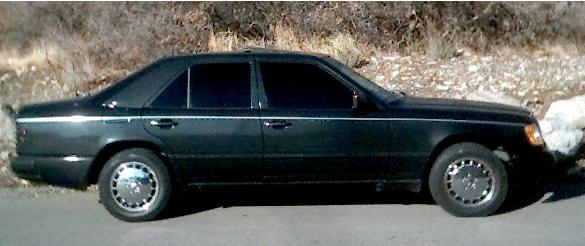

West Germany vs Japan — 1986 vs 1988
| 300E W124 | Cressida MX83 | |
|---|---|---|
| Horsepower | 177 hp | 190 hp |
| Torque | 188 lb-ft | 192 lb-ft |
| Engine Size | 2,962 cc | 2,954 cc |
| 0-60 mph | 8.1 sec | 7.8 sec |
| Top Speed | 142 mph | 134 mph |
| ¼ Mile | 16.0 sec | 15.8 sec |
| Weight | 3,175 lbs | — |
| Wheelbase | 2,800 mm | 2,680 mm |
| Length | 4,740 mm | 4,735 mm |
| Units Produced | 2,700,000 | — |
| Original MSRP | $37,500 | — |
| Value (Excellent) | $25,000 | — |
| Collectibility | 5/10 | 5/10 |
| Rarity | 2/10 | 5/10 |
Two outstanding machines, each with compelling strengths. The 1986 Mercedes-Benz 300E W124 excels in higher top speed, while the 1988 Toyota Cressida MX83 stands out for quicker acceleration. The best advice? Drive both if you can, then follow your instincts.
Putting the 1986 Mercedes-Benz 300E W124 against the 1988 Toyota Cressida MX83 is a comparison that enthusiasts have debated for decades. Each car reflects distinct design philosophies shaped by different automotive cultures — West Germany versus Japan. On paper, the two are remarkably close in power output, with the 1986 Mercedes-Benz 300E W124 producing 177 hp and the 1988 Toyota Cressida MX83 delivering 190 hp. Under the hood, the contrast is notable: the Mercedes-Benz 300E uses a Inline-6 SOHC 12V displacing 2,962 cc, while the Toyota Cressida relies on a Inline-6 DOHC 24V with 2,954 cc. In the sprint to 60 mph, the 1988 Toyota Cressida MX83 edges ahead at 7.8 seconds versus 8.1 seconds. Whether you prioritize driving dynamics, heritage, or aesthetic appeal, both contenders make a strong case for themselves.