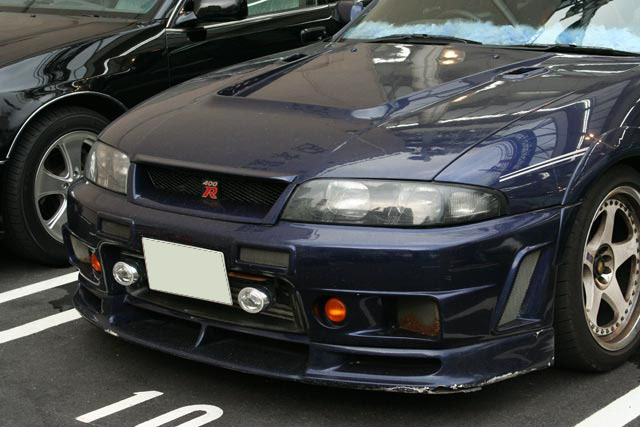

Japan vs Japan — 1997 vs 2000
| NISMO 400R | Lancer Evolution VI Tommi Makinen Edition | |
|---|---|---|
| Horsepower | 400 hp | 280 hp |
| Top Speed | 186 mph | 149 mph |
| Weight | 3,307 lbs | 2,998 lbs |
| Wheelbase | 2,720 mm | 2,510 mm |
| Length | 4,675 mm | 4,350 mm |
| Units Produced | 44 | 2,500 |
| Collectibility | 10/10 | 9/10 |
| Rarity | 10/10 | 9/10 |
The 1997 Nissan NISMO 400R holds an edge across most measurable criteria, offering more power, higher top speed, greater rarity. That said, the 2000 Mitsubishi Lancer Evolution VI Tommi Makinen Edition brings lighter weight and remains a compelling choice for enthusiasts who value Mitsubishi heritage. The right pick depends on whether you prioritize specifications or the intangible qualities that make a car truly special.
The 1997 Nissan NISMO 400R and 2000 Mitsubishi Lancer Evolution VI Tommi Makinen Edition stand as two of the most notable Coupe cars from Modern classic. Both emerged during a period of intense competition, and choosing between them remains a passionate debate among collectors. The 1997 Nissan NISMO 400R holds a clear advantage in raw power with 400 hp compared to 280 hp, a 120-horsepower difference that shapes the driving experience. The engine configurations differ significantly — a Inline-6 Twin-Turbo in the Nissan NISMO 400R versus a Inline-4 Turbo in the Mitsubishi Lancer Evolution VI Tommi Makinen Edition. The 1997 Nissan NISMO 400R claims a higher top speed at 186 mph compared to 149 mph. The Mitsubishi Lancer Evolution VI Tommi Makinen Edition carries a weight advantage, tipping the scales 309 lbs lighter. Rarity plays a significant role here — with only 44 units built, the 1997 Nissan NISMO 400R is considerably scarcer than the Mitsubishi Lancer Evolution VI Tommi Makinen Edition's 2,500 examples.