
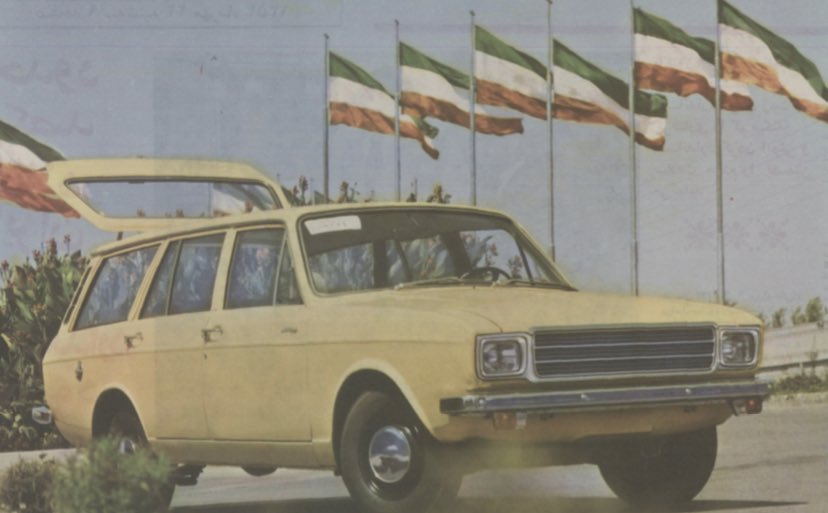
East Germany vs Iran — 1966 vs 1967
| 353 Knight | Paykan Deluxe | |
|---|---|---|
| Horsepower | 50 hp | 68 hp |
| Torque | 69 lb-ft | 92 lb-ft |
| Engine Size | 992 cc | 1,725 cc |
| 0-60 mph | 22.0 sec | — |
| Top Speed | 81 mph | 87 mph |
| ¼ Mile | 0.0 sec | — |
| Weight | — | 2,205 lbs |
| Wheelbase | 2,450 mm | 2,489 mm |
| Length | 4,220 mm | 4,267 mm |
| Units Produced | 1,000,000 | — |
| Value (Excellent) | $15,000 | $10,000 |
| Collectibility | 5/10 | 5/10 |
| Rarity | 5/10 | 3/10 |
The 1967 Iran Khodro Paykan Deluxe emerges ahead in most objective measures, offering more power, higher top speed, better value. The 1966 Wartburg 353 Knight counters with its unique character, but the numbers favor its rival. Still, both are remarkable machines, and the final choice often comes down to which driving experience speaks to you.
Putting the 1966 Wartburg 353 Knight against the 1967 Iran Khodro Paykan Deluxe is a comparison that enthusiasts have debated for decades. Each car reflects distinct design philosophies shaped by different automotive cultures — East Germany versus Iran. On paper, the two are remarkably close in power output, with the 1966 Wartburg 353 Knight producing 50 hp and the 1967 Iran Khodro Paykan Deluxe delivering 68 hp. Under the hood, the contrast is notable: the Wartburg 353 uses a Inline-3 2-stroke displacing 992 cc, while the Iran Khodro Paykan relies on a Inline-4 OHV with 1,725 cc. The 1967 Iran Khodro Paykan Deluxe claims a higher top speed at 87 mph compared to 81 mph. Whether you prioritize driving dynamics, heritage, or aesthetic appeal, both contenders make a strong case for themselves.