
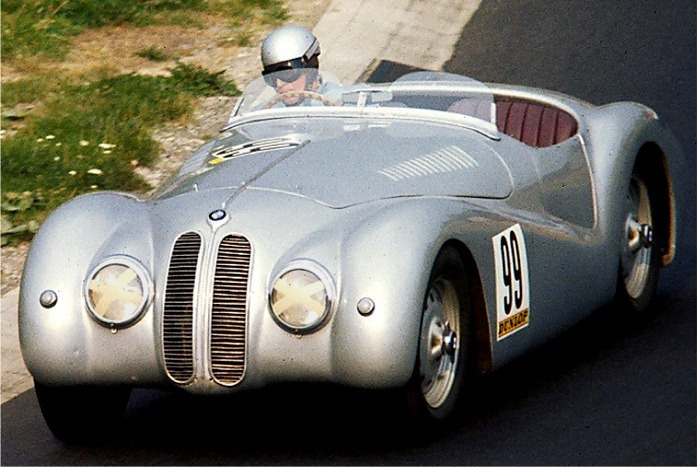
USA vs Germany — 1912 vs 1936
| Bearcat Series H | 328 | |
|---|---|---|
| Horsepower | 60 hp | 80 hp |
| Torque | — | 94 lb-ft |
| Engine Size | 6,388 cc | 1,971 cc |
| 0-60 mph | — | 12.0 sec |
| Top Speed | 80 mph | 93 mph |
| Weight | 2,400 lbs | 1,830 lbs |
| Wheelbase | 3,048 mm | 2,400 mm |
| Length | 3,810 mm | 3,900 mm |
| Units Produced | — | 464 |
| Original MSRP | $2,000 | — |
| Value (Excellent) | $2,000,000 | $1,500,000 |
| Collectibility | 10/10 | 10/10 |
| Rarity | 10/10 | 10/10 |
The 1936 BMW 328 emerges ahead in most objective measures, offering more power, higher top speed, lighter weight. The 1912 Stutz Bearcat Series H counters with its unique character, but the numbers favor its rival. Still, both are remarkable machines, and the final choice often comes down to which driving experience speaks to you.
When USA engineering meets Germany craftsmanship, the result is one of the most compelling matchups in the classic car world. The 1912 Stutz Bearcat Series H and 1936 BMW 328 embody their respective national automotive traditions while competing in the same arena. The 1936 BMW 328 holds a clear advantage in raw power with 80 hp compared to 60 hp, a 20-horsepower difference that shapes the driving experience. Under the hood, the contrast is notable: the Stutz Bearcat uses a Inline-4 T-head displacing 6,388 cc, while the BMW 328 relies on a Inline-6 OHV with 1,971 cc. The 1936 BMW 328 claims a higher top speed at 93 mph compared to 80 mph. The BMW 328 carries a weight advantage, tipping the scales 570 lbs lighter. Both cars have earned their place in automotive history and continue to captivate enthusiasts around the world.