
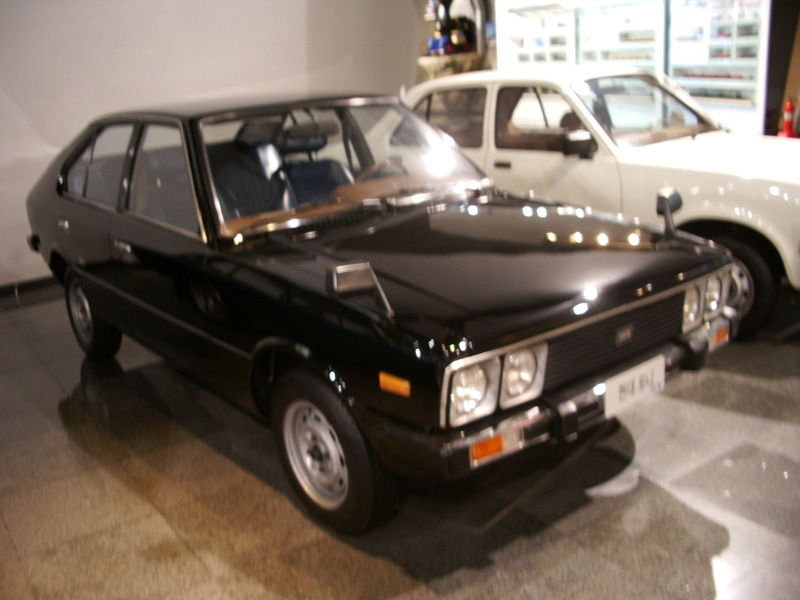
South Korea vs South Korea — 1996 vs 1975
| Tiburon FX (RD) | Pony 1.2 | |
|---|---|---|
| Horsepower | 140 hp | 68 hp |
| Torque | 131 lb-ft | — |
| Engine Size | 1,975 cc | 1,238 cc |
| 0-60 mph | 8.0 sec | — |
| Top Speed | 130 mph | — |
| ¼ Mile | 16.0 sec | — |
| Wheelbase | 2,475 mm | 2,340 mm |
| Length | 4,323 mm | 3,965 mm |
| Value (Excellent) | $8,000 | $15,000 |
| Collectibility | 5/10 | 5/10 |
| Rarity | 3/10 | 10/10 |
The 1996 Hyundai Tiburon FX (RD) holds an edge across most measurable criteria, offering more power, better value. That said, the 1975 Hyundai Pony 1.2 brings its own distinct appeal and remains a compelling choice for enthusiasts who value Hyundai heritage. The right pick depends on whether you prioritize specifications or the intangible qualities that make a car truly special.
Within the Hyundai stable, the 1996 Hyundai Tiburon FX (RD) and 1975 Hyundai Pony 1.2 represent different approaches to performance and purpose. Both carry the Hyundai badge, yet each carves out its own distinct identity. The 1996 Hyundai Tiburon FX (RD) holds a clear advantage in raw power with 140 hp compared to 68 hp, a 72-horsepower difference that shapes the driving experience. Under the hood, the contrast is notable: the Hyundai Tiburon uses a Inline-4 DOHC 16V displacing 1,975 cc, while the Hyundai Pony relies on a Inline-4 with 1,238 cc. Both cars have earned their place in automotive history and continue to captivate enthusiasts around the world.