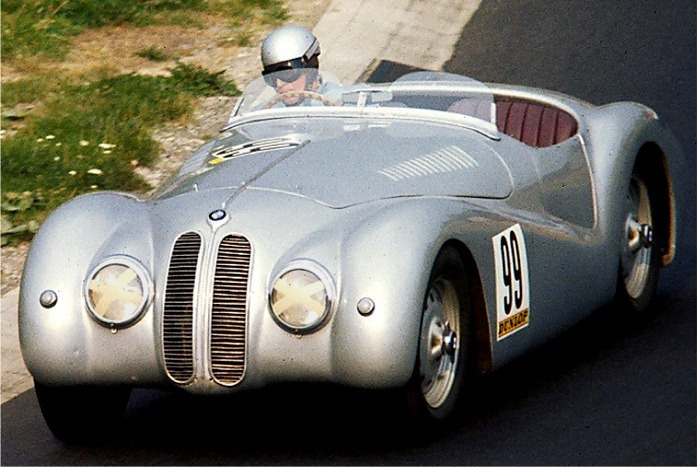

Germany vs UK — 1936 vs 1927
| 328 | 4.5 Litre Le Mans | |
|---|---|---|
| Horsepower | 80 hp | 110 hp |
| Torque | 94 lb-ft | 210 lb-ft |
| Engine Size | 1,971 cc | 4,398 cc |
| 0-60 mph | 12.0 sec | — |
| Top Speed | 93 mph | 92 mph |
| Weight | 1,830 lbs | 3,360 lbs |
| Wheelbase | 2,400 mm | 3,302 mm |
| Length | 3,900 mm | 4,420 mm |
| Units Produced | 464 | 665 |
| Original MSRP | — | $6,500 |
| Value (Excellent) | $1,500,000 | $2,000,000 |
| Collectibility | 10/10 | 10/10 |
| Rarity | 10/10 | 8/10 |
This matchup is remarkably close. The 1936 BMW 328 offers higher top speed, lighter weight, while the 1927 Bentley 4.5 Litre Le Mans counters with more power. Neither holds a decisive advantage, making this a true enthusiast's dilemma. Your choice ultimately depends on which driving philosophy resonates more with you.
When Germany engineering meets UK craftsmanship, the result is one of the most compelling matchups in the classic car world. The 1936 BMW 328 and 1927 Bentley 4.5 Litre Le Mans embody their respective national automotive traditions while competing in the same arena. The 1927 Bentley 4.5 Litre Le Mans holds a clear advantage in raw power with 110 hp compared to 80 hp, a 30-horsepower difference that shapes the driving experience. Under the hood, the contrast is notable: the BMW 328 uses a Inline-6 OHV displacing 1,971 cc, while the Bentley 4.5 Litre relies on a Inline-4 SOHC with 4,398 cc. The 1936 BMW 328 claims a higher top speed at 93 mph compared to 92 mph. The BMW 328 carries a weight advantage, tipping the scales 1530 lbs lighter. Both cars have earned their place in automotive history and continue to captivate enthusiasts around the world.