
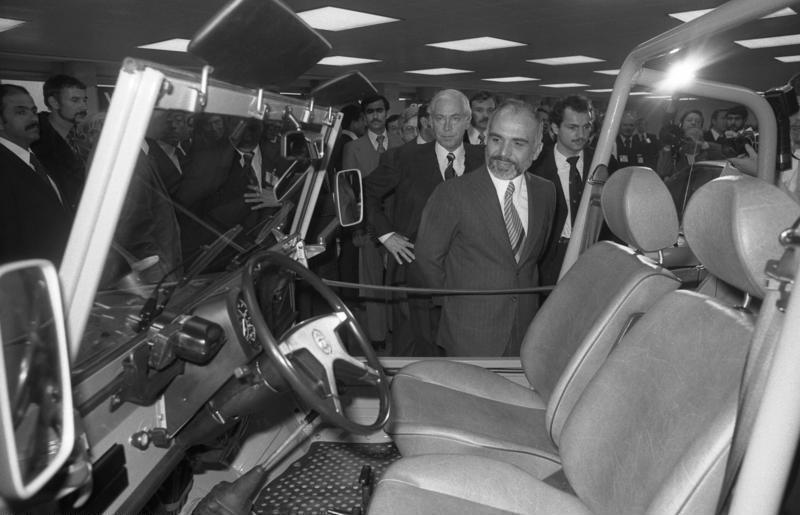
Germany vs West Germany — 1984 vs 1978
| Golf GTI Mk2 16V | Iltis Type 183 | |
|---|---|---|
| Horsepower | 139 hp | 75 hp |
| Torque | 124 lb-ft | 102 lb-ft |
| Engine Size | 1,781 cc | 1,714 cc |
| 0-60 mph | 8.0 sec | — |
| Top Speed | 129 mph | 81 mph |
| ¼ Mile | 16.0 sec | — |
| Weight | 2,271 lbs | 3,417 lbs |
| Wheelbase | 2,475 mm | 2,017 mm |
| Length | 3,985 mm | 3,887 mm |
| Units Produced | — | 9,547 |
| Original MSRP | $12,990 | — |
| Value (Excellent) | $30,000 | $55,000 |
| Collectibility | 7/10 | 6/10 |
| Rarity | 5/10 | 8/10 |
On balance, the 1984 Volkswagen Golf GTI Mk2 16V makes a stronger case on paper with more power, higher top speed, lighter weight. However, the 1978 Volkswagen Iltis Type 183 counters with its own distinct appeal, and its appeal extends beyond mere numbers. Choose the 1984 Volkswagen Golf GTI Mk2 16V for outright capability, or the 1978 Volkswagen Iltis Type 183 for a more distinctive ownership experience.
Volkswagen has long offered a diverse lineup, and comparing the 1984 Volkswagen Golf GTI Mk2 16V with the 1978 Volkswagen Iltis Type 183 highlights the breadth of the marque's engineering philosophy. The 1984 Volkswagen Golf GTI Mk2 16V holds a clear advantage in raw power with 139 hp compared to 75 hp, a 64-horsepower difference that shapes the driving experience. Under the hood, the contrast is notable: the Volkswagen Golf GTI uses a Inline-4 DOHC 16V displacing 1,781 cc, while the Volkswagen Iltis relies on a Inline-4 OHC with 1,714 cc. The 1984 Volkswagen Golf GTI Mk2 16V claims a higher top speed at 129 mph compared to 81 mph. The Volkswagen Golf GTI carries a weight advantage, tipping the scales 1146 lbs lighter. Each of these machines offers a unique window into the era that produced it, making both worthy of consideration by collectors and drivers alike.