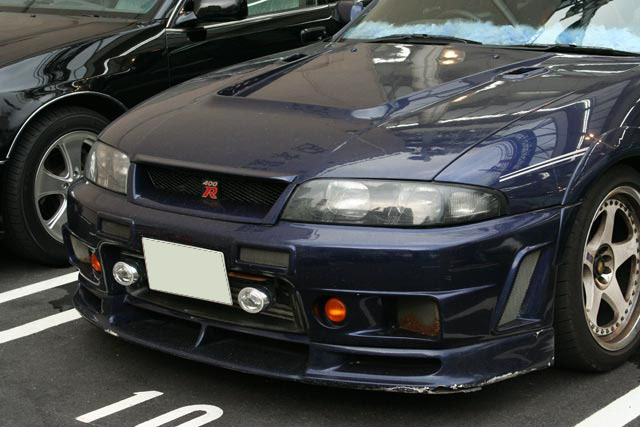

Japan vs Japan — 1997 vs 1989
| NISMO 400R | Laurel C33 Club-S Turbo | |
|---|---|---|
| Horsepower | 400 hp | 215 hp |
| Torque | — | 195 lb-ft |
| Engine Size | — | 1,998 cc |
| 0-60 mph | — | 6.5 sec |
| Top Speed | 186 mph | 140 mph |
| ¼ Mile | — | 14.8 sec |
| Weight | 3,307 lbs | — |
| Wheelbase | 2,720 mm | 2,550 mm |
| Length | 4,675 mm | 4,690 mm |
| Units Produced | 44 | — |
| Collectibility | 10/10 | 5/10 |
| Rarity | 10/10 | 6/10 |
The 1997 Nissan NISMO 400R holds an edge across most measurable criteria, offering more power, higher top speed, stronger collectibility. That said, the 1989 Nissan Laurel C33 Club-S Turbo brings its own distinct appeal and remains a compelling choice for enthusiasts who value Nissan heritage. The right pick depends on whether you prioritize specifications or the intangible qualities that make a car truly special.
Within the Nissan stable, the 1997 Nissan NISMO 400R and 1989 Nissan Laurel C33 Club-S Turbo represent different approaches to performance and purpose. Both carry the Nissan badge, yet each carves out its own distinct identity. The 1997 Nissan NISMO 400R holds a clear advantage in raw power with 400 hp compared to 215 hp, a 185-horsepower difference that shapes the driving experience. The engine configurations differ significantly — a Inline-6 Twin-Turbo in the Nissan NISMO 400R versus a Inline-6 DOHC 24V Turbocharged in the Nissan Laurel. The 1997 Nissan NISMO 400R claims a higher top speed at 186 mph compared to 140 mph. From a collectibility standpoint, the 1997 Nissan NISMO 400R rates higher among enthusiasts and auction houses.