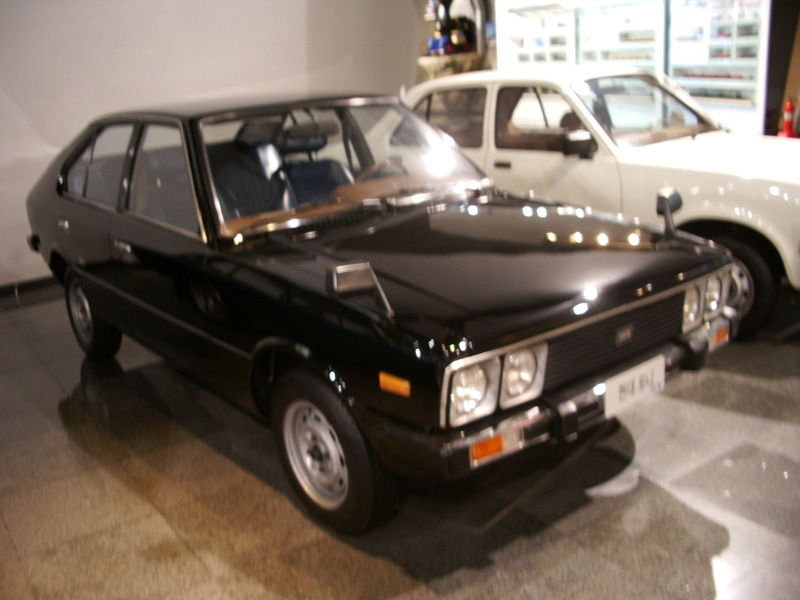

South Korea vs South Korea — 1975 vs 2017
| Pony 1.2 | i30 N Performance | |
|---|---|---|
| Horsepower | 68 hp | 280 hp |
| Torque | — | 289 lb-ft |
| Engine Size | 1,238 cc | 1,998 cc |
| 0-60 mph | — | 5.4 sec |
| Top Speed | — | 155 mph |
| ¼ Mile | — | 13.6 sec |
| Weight | — | 3,150 lbs |
| Wheelbase | 2,340 mm | 2,650 mm |
| Length | 3,965 mm | 4,340 mm |
| Value (Excellent) | $15,000 | $38,000 |
| Collectibility | 5/10 | 5/10 |
| Rarity | 10/10 | 4/10 |
This matchup is remarkably close. The 1975 Hyundai Pony 1.2 offers better value, while the 2017 Hyundai i30 N Performance counters with more power. Neither holds a decisive advantage, making this a true enthusiast's dilemma. Your choice ultimately depends on which driving philosophy resonates more with you.
Within the Hyundai stable, the 1975 Hyundai Pony 1.2 and 2017 Hyundai i30 N Performance represent different approaches to performance and purpose. Both carry the Hyundai badge, yet each carves out its own distinct identity. The 2017 Hyundai i30 N Performance holds a clear advantage in raw power with 280 hp compared to 68 hp, a 212-horsepower difference that shapes the driving experience. Under the hood, the contrast is notable: the Hyundai Pony uses a Inline-4 displacing 1,238 cc, while the Hyundai i30 N relies on a Inline-4 Turbo DOHC 16V with 1,998 cc. On the collector market, the 2017 Hyundai i30 N Performance commands a significant premium over the 1975 Hyundai Pony 1.2, reflecting differences in prestige and rarity.