
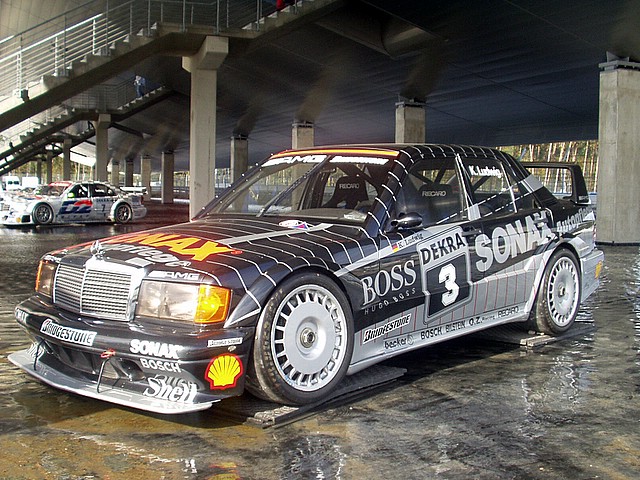
Germany vs Germany — 1988 vs 1992
| M5 E34 | 190E 2.5-16 Evolution II | |
|---|---|---|
| Horsepower | 315 hp | 235 hp |
| Torque | 266 lb-ft | 181 lb-ft |
| Engine Size | 3,535 cc | 2,463 cc |
| 0-60 mph | 5.9 sec | 7.1 sec |
| Top Speed | 155 mph | 155 mph |
| ¼ Mile | 14.0 sec | 15.4 sec |
| Weight | 3,638 lbs | 2,998 lbs |
| Wheelbase | 2,761 mm | 2,665 mm |
| Length | 4,720 mm | 4,475 mm |
| Units Produced | 12,254 | 502 |
| Original MSRP | $56,600 | $75,000 |
| Value (Excellent) | $80,000 | $350,000 |
| Collectibility | 8/10 | 9/10 |
| Rarity | 6/10 | 9/10 |
Two outstanding machines, each with compelling strengths. The 1988 BMW M5 E34 excels in more power, quicker acceleration, better value, while the 1992 Mercedes-Benz 190E 2.5-16 Evolution II stands out for lighter weight, greater rarity, stronger collectibility. The best advice? Drive both if you can, then follow your instincts.
Among Sports Sedan enthusiasts, the matchup between the 1988 BMW M5 E34 and 1992 Mercedes-Benz 190E 2.5-16 Evolution II is one for the ages. These Modern classic machines competed directly for buyers' attention and continue to vie for collectors' affections today. The 1988 BMW M5 E34 holds a clear advantage in raw power with 315 hp compared to 235 hp, a 80-horsepower difference that shapes the driving experience. Under the hood, the contrast is notable: the BMW M5 uses a Inline-6 DOHC 24V displacing 3,535 cc, while the Mercedes-Benz 190E relies on a Inline-4 with 2,463 cc. In the sprint to 60 mph, the 1988 BMW M5 E34 edges ahead at 5.9 seconds versus 7.1 seconds. The Mercedes-Benz 190E carries a weight advantage, tipping the scales 640 lbs lighter. Rarity plays a significant role here — with only 502 units built, the 1992 Mercedes-Benz 190E 2.5-16 Evolution II is considerably scarcer than the BMW M5's 12,254 examples. On the collector market, the 1992 Mercedes-Benz 190E 2.5-16 Evolution II commands a significant premium over the 1988 BMW M5 E34, reflecting differences in prestige and rarity.