
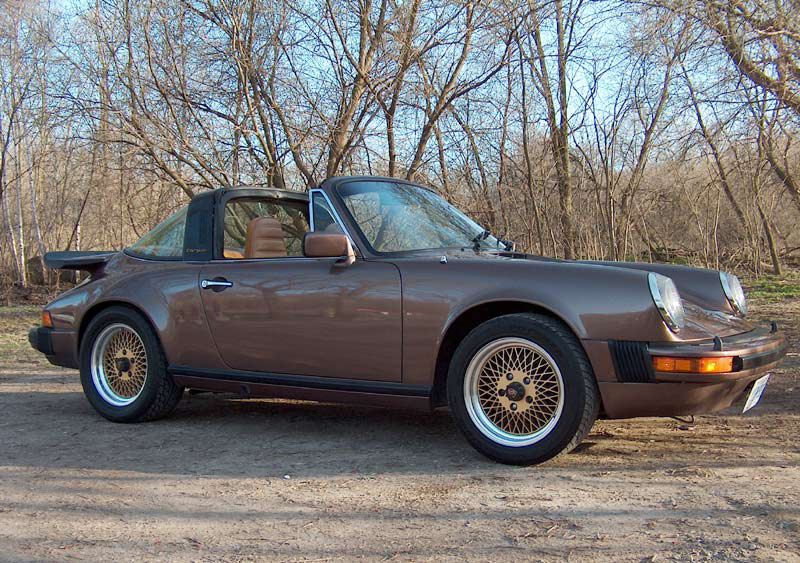
Germany vs West Germany — 1967 vs 1978
| 911 S 2.0 | 911 SC Targa | |
|---|---|---|
| Horsepower | 160 hp | 180 hp |
| Torque | 132 lb-ft | 196 lb-ft |
| Engine Size | 1,991 cc | 2,994 cc |
| 0-60 mph | 7.6 sec | 6.3 sec |
| Top Speed | 140 mph | 146 mph |
| ¼ Mile | 15.4 sec | 14.8 sec |
| Weight | 2,271 lbs | 2,557 lbs |
| Wheelbase | 2,268 mm | 2,272 mm |
| Length | 4,163 mm | 4,291 mm |
| Units Produced | 4,691 | 58,914 |
| Original MSRP | $6,990 | $27,450 |
| Value (Excellent) | $450,000 | $150,000 |
| Collectibility | 9/10 | 7/10 |
| Rarity | 7/10 | 4/10 |
Two outstanding machines, each with compelling strengths. The 1967 Porsche 911 S 2.0 excels in lighter weight, greater rarity, stronger collectibility, while the 1978 Porsche 911 SC Targa stands out for more power, quicker acceleration, higher top speed. The best advice? Drive both if you can, then follow your instincts.
Tracing the evolution of the Porsche 911 S from 1967 to 1978 offers a compelling look at how automotive design and engineering progressed. These two variants showcase the changing face of Porsche. The 1978 Porsche 911 SC Targa holds a clear advantage in raw power with 180 hp compared to 160 hp, a 20-horsepower difference that shapes the driving experience. Under the hood, the contrast is notable: the Porsche 911 S uses a Flat-6 SOHC 12V displacing 1,991 cc, while the Porsche 911 SC relies on a Flat-6 SOHC with 2,994 cc. In the sprint to 60 mph, the 1978 Porsche 911 SC Targa edges ahead at 6.3 seconds versus 7.6 seconds. The Porsche 911 S carries a weight advantage, tipping the scales 286 lbs lighter. Rarity plays a significant role here — with only 4,691 units built, the 1967 Porsche 911 S 2.0 is considerably scarcer than the Porsche 911 SC's 58,914 examples. On the collector market, the 1967 Porsche 911 S 2.0 commands a significant premium over the 1978 Porsche 911 SC Targa, reflecting differences in prestige and rarity. From a collectibility standpoint, the 1967 Porsche 911 S 2.0 rates higher among enthusiasts and auction houses.