
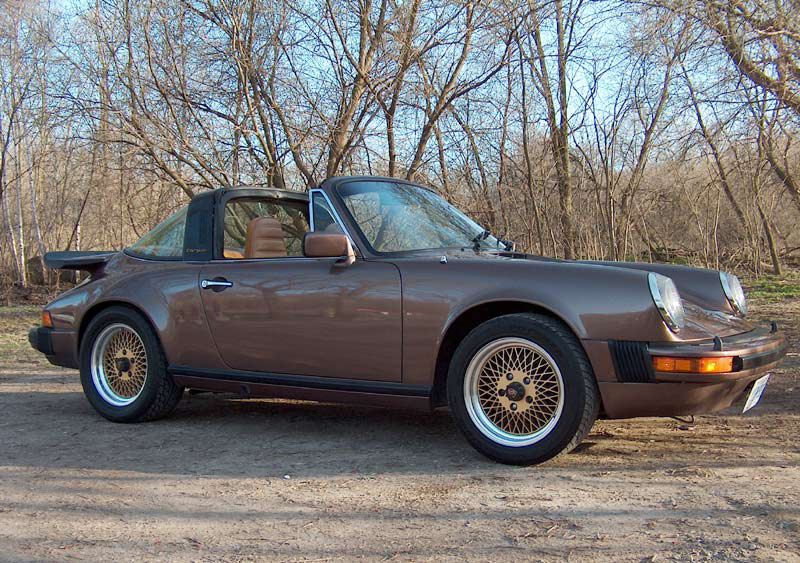
Germany vs West Germany — 1964 vs 1978
| 911 2.0 (Original) | 911 SC Targa | |
|---|---|---|
| Horsepower | 130 hp | 180 hp |
| Torque | 128 lb-ft | 196 lb-ft |
| Engine Size | 1,991 cc | 2,994 cc |
| 0-60 mph | 8.3 sec | 6.3 sec |
| Top Speed | 131 mph | 146 mph |
| ¼ Mile | 16.0 sec | 14.8 sec |
| Weight | 2,381 lbs | 2,557 lbs |
| Wheelbase | 2,211 mm | 2,272 mm |
| Length | 4,163 mm | 4,291 mm |
| Units Produced | 81,100 | 58,914 |
| Original MSRP | $6,500 | $27,450 |
| Value (Excellent) | $300,000 | $150,000 |
| Collectibility | 9/10 | 7/10 |
| Rarity | 5/10 | 4/10 |
Numbers favor the 1978 Porsche 911 SC Targa with more power, quicker acceleration, higher top speed. The 1964 Porsche 911 2.0 (Original) offers lighter weight, stronger collectibility, and has its own devoted following. For those who let their heart decide, either car delivers a rewarding ownership experience.
Few model names carry as much weight as the Porsche 911. The 1964 and 1978 iterations represent different chapters in this storied nameplate's history, each reflecting the priorities and technologies of its era. The 1978 Porsche 911 SC Targa holds a clear advantage in raw power with 180 hp compared to 130 hp, a 50-horsepower difference that shapes the driving experience. Under the hood, the contrast is notable: the Porsche 911 uses a Flat-6 SOHC air-cooled displacing 1,991 cc, while the Porsche 911 SC relies on a Flat-6 SOHC with 2,994 cc. In the sprint to 60 mph, the 1978 Porsche 911 SC Targa edges ahead at 6.3 seconds versus 8.3 seconds. From a collectibility standpoint, the 1964 Porsche 911 2.0 (Original) rates higher among enthusiasts and auction houses.