
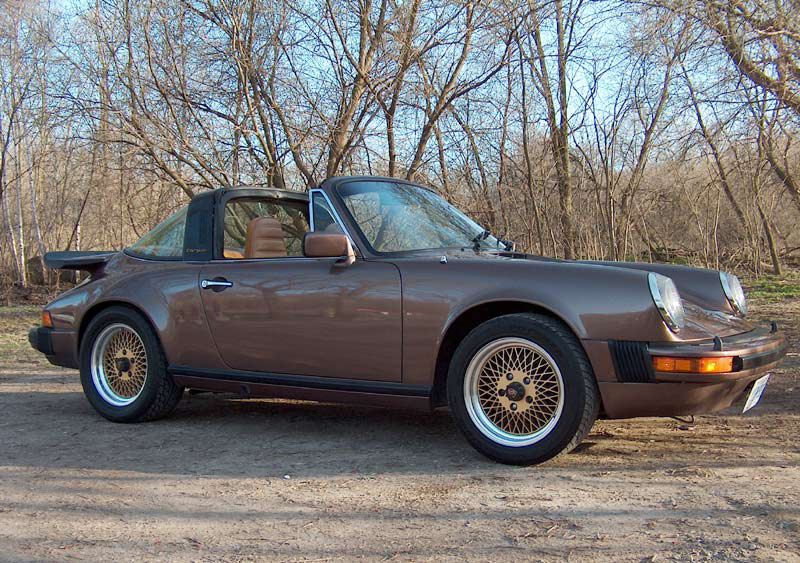
Czechoslovakia vs West Germany — 1975 vs 1978
| 130 RS | 911 SC Targa | |
|---|---|---|
| Horsepower | 140 hp | 180 hp |
| Torque | — | 196 lb-ft |
| Engine Size | 1,289 cc | 2,994 cc |
| 0-60 mph | — | 6.3 sec |
| Top Speed | — | 146 mph |
| ¼ Mile | — | 14.8 sec |
| Weight | — | 2,557 lbs |
| Wheelbase | 2,400 mm | 2,272 mm |
| Length | 4,160 mm | 4,291 mm |
| Units Produced | 200 | 58,914 |
| Original MSRP | — | $27,450 |
| Value (Excellent) | $250,000 | $150,000 |
| Collectibility | 5/10 | 7/10 |
| Rarity | 10/10 | 4/10 |
The 1978 Porsche 911 SC Targa emerges ahead in most objective measures, offering more power, stronger collectibility, better value. The 1975 Škoda 130 RS counters with greater rarity, but the numbers favor its rival. Still, both are remarkable machines, and the final choice often comes down to which driving experience speaks to you.
Putting the 1975 Škoda 130 RS against the 1978 Porsche 911 SC Targa is a comparison that enthusiasts have debated for decades. Each car reflects distinct design philosophies shaped by different automotive cultures — Czechoslovakia versus West Germany. The 1978 Porsche 911 SC Targa holds a clear advantage in raw power with 180 hp compared to 140 hp, a 40-horsepower difference that shapes the driving experience. Under the hood, the contrast is notable: the Škoda 130 RS uses a Inline-4 displacing 1,289 cc, while the Porsche 911 SC relies on a Flat-6 SOHC with 2,994 cc. Rarity plays a significant role here — with only 200 units built, the 1975 Škoda 130 RS is considerably scarcer than the Porsche 911 SC's 58,914 examples. From a collectibility standpoint, the 1978 Porsche 911 SC Targa rates higher among enthusiasts and auction houses.